
ASE in the field: prevention, support and recovery after wildfires
Fundación Argentina ASE’s visit to wildfire-affected areas reinforces a field-based agenda focused on prevention, environmental restoration and community strengthening.


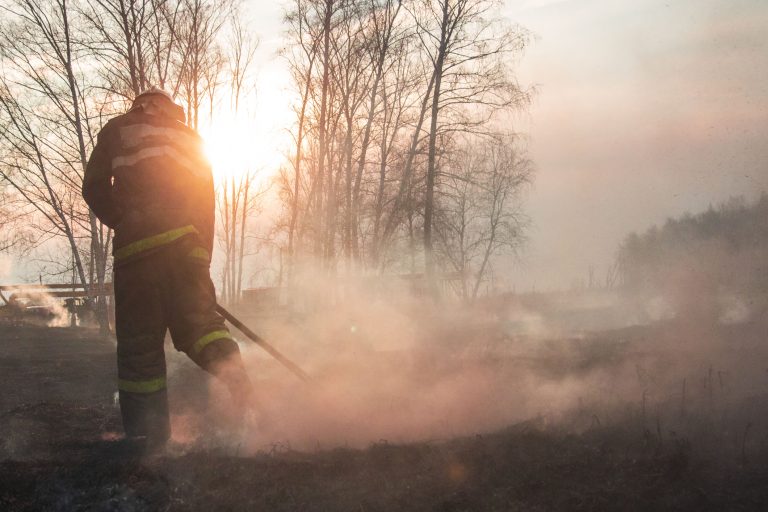
Fundación Argentina ASE's visit to areas affected by wildfires is part of a line of work that understands environmental emergencies not only as isolated events, but as processes that require field presence, community listening and long-term planning. Where fire leaves material damage, loss of vegetation cover and pressure on communities, there is also a need to rebuild prevention capacities.
Wildfires affect ecosystems, soils, waterways, biodiversity and local economies. Their consequences do not end when the flames are extinguished: they continue through erosion, habitat loss, reduced ecosystem services and the difficulty of recovering productive or community activities. This is why post-fire support must integrate environmental, social and technical criteria.
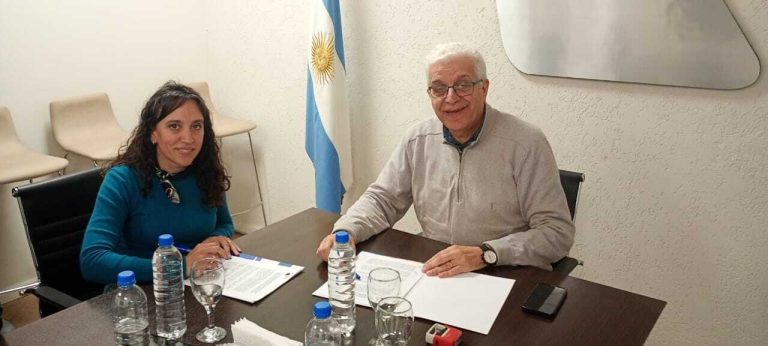
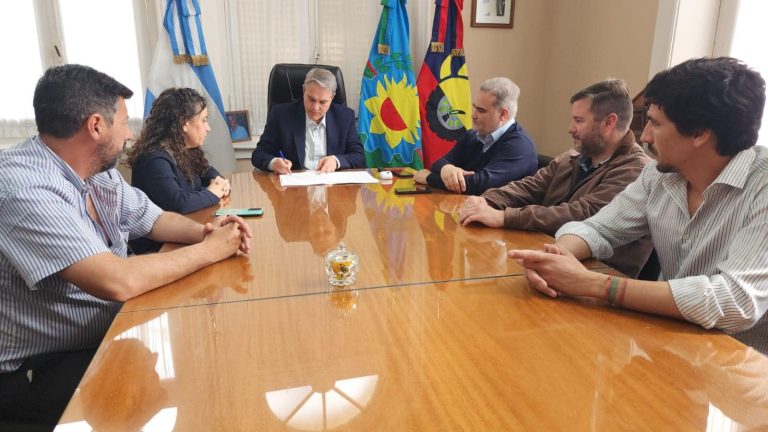
The institutional visit makes it possible to observe territorial needs first-hand and engage in dialogue with local actors. This proximity is essential to identify risks, recognize lessons from lived experience and design prevention tools that can be applied before the next critical season. Environmental information gains value when it becomes concrete decisions.
In this framework, wildfire prevention requires a combination of environmental education, responsible land management, early monitoring, institutional coordination and community training. The goal is not only to react to an emergency, but to reduce the conditions that favor its spread and improve response capacity when risk increases.
Fundación Argentina ASE promotes a vision that connects environment, sustainability and ecosystems with sustainable human development. In wildfire-affected areas, this perspective means protecting biodiversity, supporting communities and strengthening local management through information, technology and cooperation among public, private and social institutions.
Environmental restoration must also be approached with realistic criteria. Each territory requires assessing soil conditions, natural regeneration, water availability, the presence of native species and the social conditions that will sustain the process over time. Restoration is not only about planting: it is about recovering ecological functions and community capacities.
The visit reaffirms ASE's commitment to an active territorial agenda. The Foundation seeks to help communities access better tools to prevent, respond to and recover from extreme environmental events. That task requires continuity, local knowledge and a direct relationship with those who experience the impacts first-hand.
Faced with increasingly complex wildfires, environmental response needs to move from isolated emergency action to strategic prevention. Data building, capacity training and institutional coordination are central conditions for protecting ecosystems, reducing damage and sustaining territories that are better prepared for climate change.