

From strategic research to environmental and technological action
The history of our Foundation is woven through four major stages. Although our legal entity was formally established in 2013, our institutional activities began to take shape in 2005.
Academic Roots
Our institutional project originated within an academic community of young researchers devoted to examining Argentina’s strategic affairs.
Between 2005 and 2010, our institutional project took shape within the Argentine Center for International Studies, a civil association comprising more than one hundred young researchers with degrees in fields related to international studies.
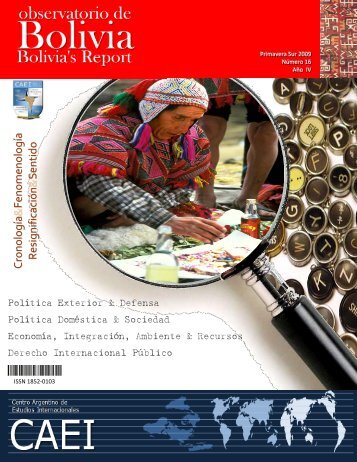
In 2007, the Political Phenomenology Program became a hub for field research. Its first quarterly observatory focused on Malvinas, followed shortly by the Polar Observatory, which addressed Antarctic affairs. These were Argentina’s first academic observatories dedicated to Malvinas and Antarctica.
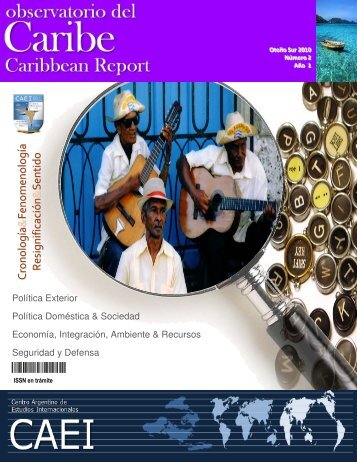
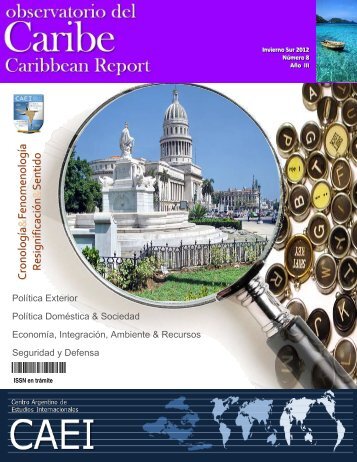
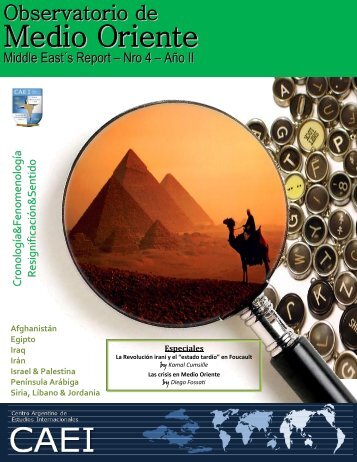
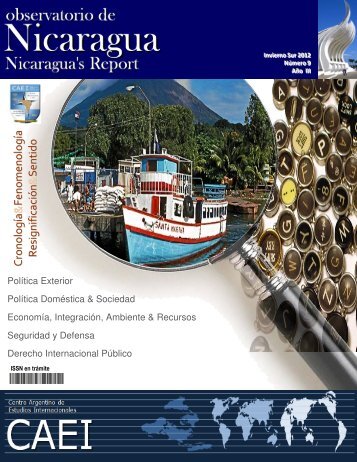
Over time, the quarterly observatories grew into more than thirty digital journals tracking developments in the foreign-policy agendas of Latin America, the BRIC countries, Malvinas and Antarctica.
After several years of methodical, rigorous research, the center began considering its transformation into a think tank. This led to the publication of policy briefs: current-affairs reports offering assessments, outlooks and recommended courses of action for public policy.
Those reports were organized into three axes: Austral Argentina, related to Antarctic and Malvinas affairs; South American Argentina, linked to Mercosur-Unasur integration processes; and Emerging Argentina, focused on BRICS links and the proposal to create the VISTA Group: Vietnam, Indonesia, South Africa, Turkey and Argentina.
Within that diverse and plural framework, positioning strategic issues required an independent, more dynamic structure suited to sectoral and thematic advocacy. That is where the Foundation’s action program began to take shape.
A body of publications that accompanied the growth of the institutional project
The observatories were one of the first major devices for producing knowledge and disseminating a strategic agenda.
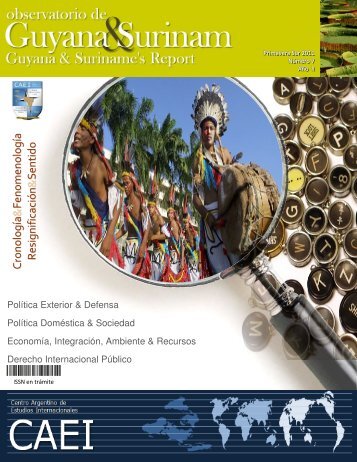

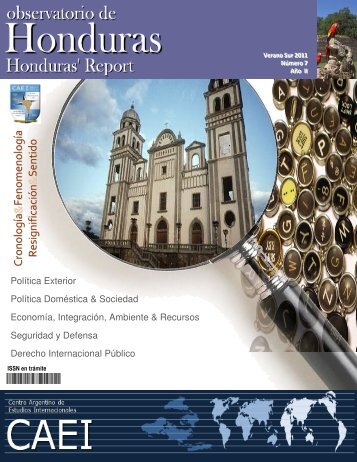
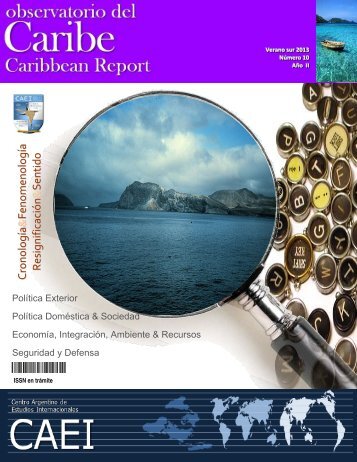
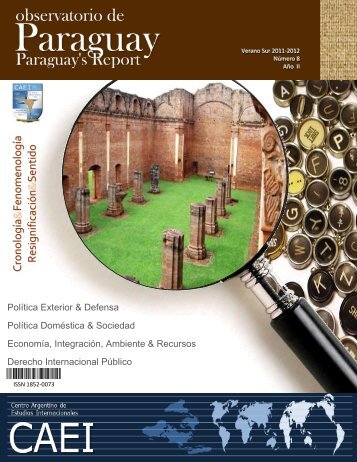
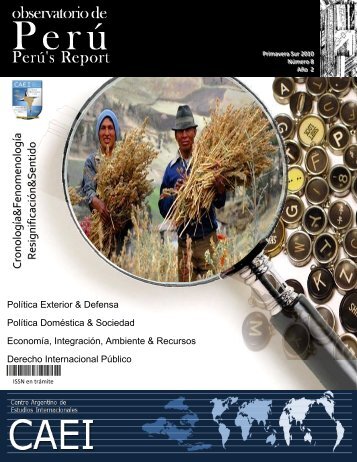
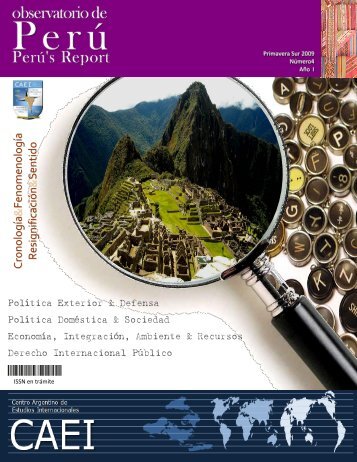
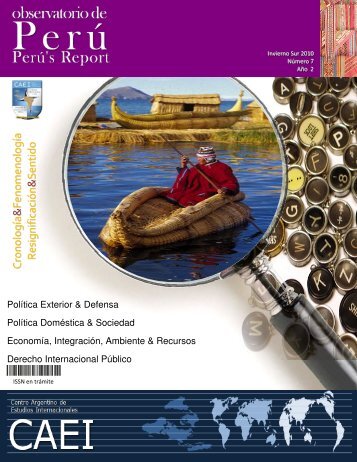
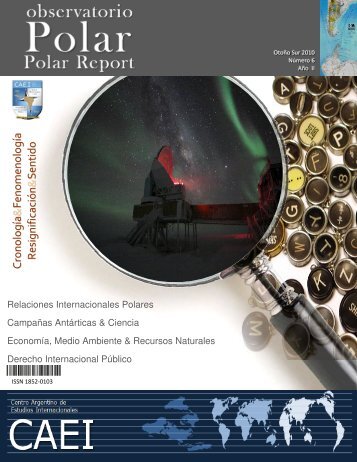
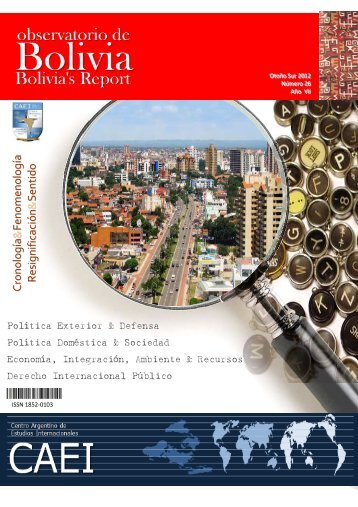
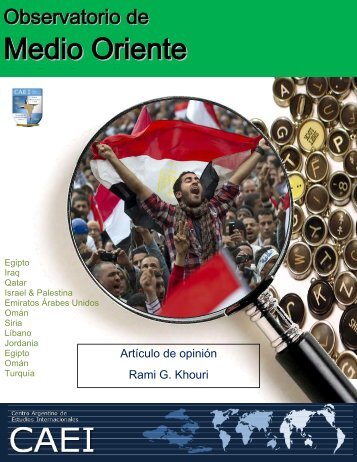
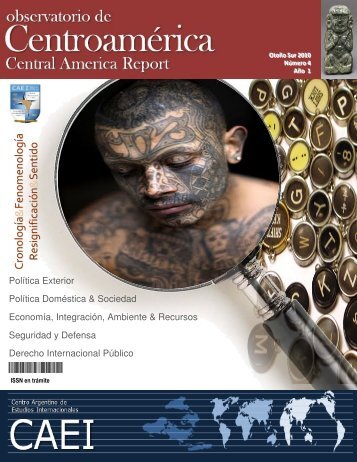
Movement Deployment
Academic knowledge extended beyond the research community and gained nationwide reach through networks, conferences, campaigns and public initiatives.
Advocacy for Malvinas and Antarctica soon gained nationwide prominence. Researchers from these observatories helped disseminate content through local academic and media networks, launching a series of conferences in cities across the country.
The expertise acquired enabled cross-sector dialogue rooted in academia. Links were soon established with stakeholder groups, research centers, grassroots organizations, political groups from diverse traditions, Malvinas War veterans and cultural centers.
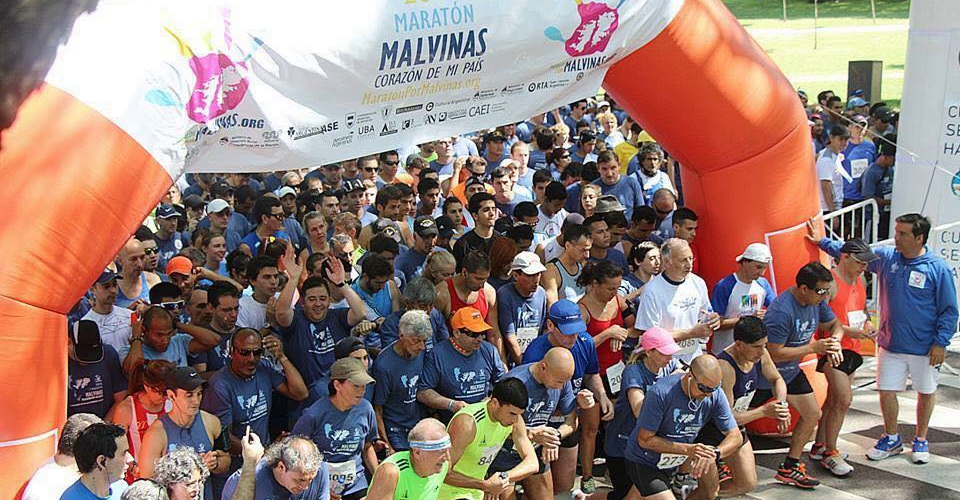
Within this ecosystem, the Peoples for Malvinas Movement emerged, bringing together a broad nationwide network for sharing information and engaging figures from the arts, sports and academia. It launched a public-awareness and civic-education campaign to collect signatures for a petition supporting bilateral dialogue before the United Nations Special Committee on Decolonization.
The momentum generated by these relationships soon extended into sport. This gave rise to the “Malvinas: Heart of My Country Marathon,” also known as the “Marathon for Malvinas: Dialogue and Peace.” The Foundation created, organized and promoted ten editions in cities across Argentina, drawing nearly 35,000 participants in 2013 and 2014.
The Policy Laboratory
The nationwide network created a bridge to public policy and institution-building around ocean, Antarctic and Malvinas affairs.
The nationwide network continued to grow. In every city where the Peoples for Malvinas Campaign was active, the local city council unanimously declared it to be of public interest.
By 2014, Peoples for Malvinas and the “Malvinas: Heart of My Country Marathon” had received endorsements from both chambers of the National Congress, seventeen provincial legislatures, more than two hundred municipalities and approximately ten Latin American embassies.
This path brought our Foundation into the public-policy arena and enabled closer collaboration with government teams working on Antarctic and Malvinas affairs.
The Foundation supported the early development of Pampa Azul, helped disseminate the Argentine Continental Shelf Map, contributed to discussions on establishing the Namuncurá–Burdwood protected area, participated in Tierra del Fuego Province’s Dialogue for Malvinas events and advanced debate on creating a National Commission for Ocean Affairs modeled on CNEA and CONAE.

The Technological Transformation
The Foundation consolidated its commitment to integrating environmental protection, technology, human development and economic growth.
Engagement in public policy strengthened our commitment to a single strategy that integrates protection of Argentina’s maritime environment with the country’s development and economic-growth agenda.
Thus, around the concept of Oceanic and Bicontinental Argentina, the Foundation began its activities in 2013 with a vocation to humanize strategic affairs through technology.
Our history has taken us through diverse networks and spheres of collaboration. Today, we are firmly committed to education, the advancement of strategic issues and the environmental monitoring of Argentina’s ocean heritage.
Today, ASE integrates place-based action, knowledge, technology and institutional cooperation to advance a sustainable human-development agenda.