
ASE and Chacabuco advance a local agenda for environmental assessment and action
Fundación Argentina ASE and the Municipality of Chacabuco signed a framework agreement to develop guidelines and implement environmental projects through community participation and institutional coordination.
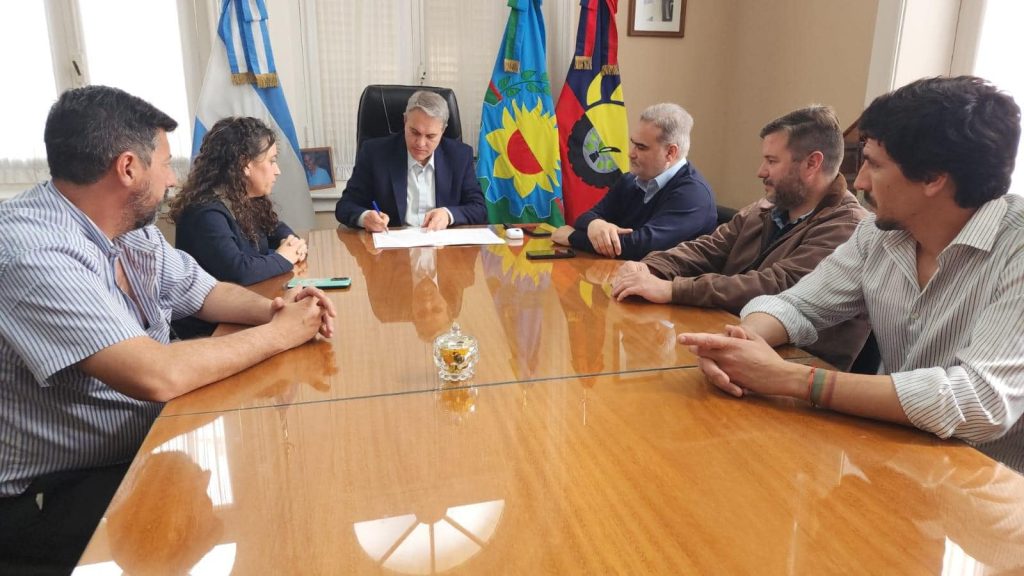

Fundación Argentina ASE and the Municipality of Chacabuco signed a framework cooperation agreement to develop guidelines and implement environmental projects in the municipality. The agreement marks the beginning of a joint agenda aimed at identifying local needs, organizing priorities and building concrete responses to the territory's environmental challenges.
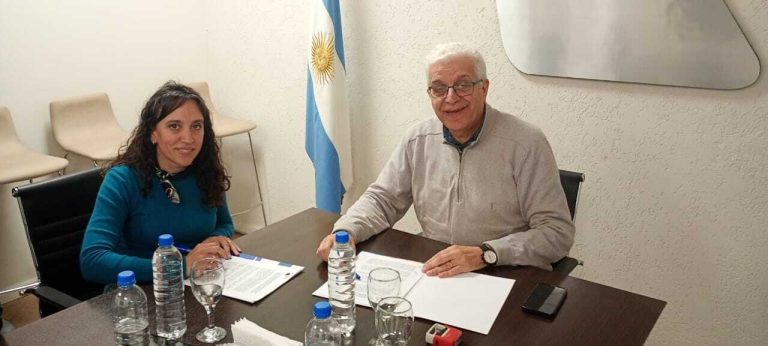
The signing took place on September 13 at the municipal headquarters. Chacabuco Mayor Darío Golía and Fundación Argentina ASE Executive Director María Cecilia Pon participated in the event. Before formalizing the agreement, the Foundation's team held a meeting with the municipality's Environmental Protection area to discuss problems, needs and possible strategies.
The agreement has a general framework character and serves as a basis for later moving toward more specific instruments. This approach makes it possible to begin joint work, identify areas of intervention and design projects adapted to local realities. In environmental matters, useful diagnoses are those that emerge from the territory and become sustainable decisions.
For Chacabuco, the agreement opens an opportunity to strengthen municipal capacities, systematize information and plan actions that improve environmental management. Municipalities are the first scale of contact between public policy and everyday community life; this makes their role central to preventing risks, organizing resources and promoting citizen participation.
For Fundación Argentina ASE, alliances with local governments are a strategic tool. Environmental sustainability requires actively involving communities, creating spaces for awareness and promoting collective planning processes. Ecosystem protection cannot be separated from the productive, urban and social decisions made in each territory.
Environmental assessment makes it possible to build a knowledge base on existing problems, opportunities and capacities. From that information, projects can be oriented toward environmental education, waste management, water protection, biodiversity, air quality, responsible land use and prevention of impacts on local ecosystems.
The agreement also expresses an institutional way of working based on cooperation, evidence and continuity. Coordination between the Foundation and the municipality helps bring together technical knowledge, territorial experience and community participation. This intersection is essential so environmental policies become measurable and sustained actions, not isolated statements.
With this agreement, ASE reaffirms its commitment to a local agenda for sustainable human development. Chacabuco becomes part of a line of work that seeks to transform environmental diagnosis into planning, and planning into projects capable of improving quality of life, protecting ecosystems and strengthening collective responsibility toward the environment.